
Hayasa Metals Inc.
TSXV: HAY | OTCQB: HAYAF | FSE: FR20
Hayasa Metals Inc. (TSXV: HAY; OTCQB: HAYAF) is a copper and gold exploration company focused on Armenia. Hayasa’s projects are the 100%-owned Urasar copper-gold project in the north and the Vardenis copper-gold project in central Armenia. Hayasa expects to be granted three additional exploration licenses in early 2027—including an Antimony project in the north. In September 2026, Hayasa signed a term sheet with a major mining company that is sole funding an exploration alliance in southern Armenia.
Stock Information
Recent News
Investor Presentation
Regulatory Filings
As a Canadian issuer, Hayasa Metals Inc. lists on the TSX Venture Exchange and files its continuous disclosure on SEDAR+. Its shares also trade in the United States on the OTCQB Venture Market.
Investment Highlights
Hayasa is advancing copper and gold exploration in Armenia on two properties: its Urasar and Vardenis projects, is expected to add three new exploration licenses that are under application, and just signed a term sheet for a two-year exploration alliance in southern Armenia that a major mining company will fully fund. Assays are pending from the first deep holes drilled at Urasar and are expected early November.
Alliance With a Major Mining Company
A two-year Strategic Exploration Alliance with a major mining company, set out in a term sheet signed in September 2026, is to be funded solely by the partner and is aimed at finding a long-life copper porphyry in southern Armenia. Hayasa will act as manager and expects to sign the definitive agreement before year end.
Urasar Copper-Gold Project
Urasar is a 100%-owned 3,380-hectare permit in northern Armenia with a continuous soil anomaly running 14 km. Franco-Nevada and EMX Royalty paid US$1 million in January 2025 for a 1.25% royalty on future production. Hole UDD-021 returned 39 m of 0.50% copper and 0.18 g/t gold from 11 m, and assays are pending from two deeper 2026 holes.
Vardenis Porphyry System
The 93 km² Vardenis license in central Armenia covers a porphyry system with a 35 km² alteration footprint exposed at surface, 25 km from Lydian's 4.8-million-ounce Amulsar gold deposit. Drilling so far has tested about 4 km² in the northwest corner. After almost 5,000 m drilling, in September Teck Resources returned the license to Hayasa, who is seeking a new partner.
Three New Licenses in Application
Amasia, Hovo's Reward and Mount Stephanie are the three exploration licenses Hayasa has applied for, with approval expected early 2027. Amasia is an antimony-nickel prospect with five existing drill holes, Hovo's Reward a 2 km by 400 m gold-silver soil anomaly, and Mount Stephanie a copper-molybdenum system with copper minerals at surface.
Armenia's Mining Economy
Mining accounts for roughly 30% to 50% of Armenia's exports each year. The country has eight large active metal mines, including three porphyry copper-molybdenum mines, ranks among the world's top 10 molybdenum producers, and offers a modern Mining Law and Mining Code, an 18% corporate income tax rate and no limit on repatriating funds.
Experienced Board and Management
Chairman and President Dennis Moore, a geologist with more than 40 years of experience, discovered the 2-million-ounce Tocantinzinho gold mine and the Cuiú Cuiú gold deposit. CEO Joel Sutherland spent 20 years in capital markets, 12 of them on Wall Street, and the board includes Derek White, former President and CEO of KGHM International.
Digging Deeper
Hayasa Metals Inc. (TSXV: HAY | OTCQB: HAYAF) is a copper and gold exploration company working in Armenia. Headquartered in Vancouver, BC, and also listed on the Frankfurt Stock Exchange as FR20, Hayasa has focused on the central Tethyan Mineral Belt in Armenia since 2021.
Two copper projects anchor the portfolio, starting with Urasar in northern Armenia, a 3,380-hectare, road-accessible exploration permit owned 100% by Hayasa. At Urasar, a continuous geochemical anomaly runs about 14 kilometers along strike. Vardenis, in central Armenia, is a 93 km² exploration license with a 35 km² alteration footprint exposed at surface. Assays are pending from the two holes drilled at Urasar in summer 2026, UDD-022 and UDD-023, which totaled 1,070 meters and were the first holes drilled to depth on the property.
In September 2026 Hayasa signed a non-binding term sheet with an unnamed major mining company for a proposed Strategic Exploration Alliance covering copper and other critical metals exploration in a strategic area of interest in southern Armenia. The partner is sole-funding a two-year Alliance Phase, with Hayasa acting as manager; Hayasa expects to sign the definitive agreement before year end. Work began in September and the initial soil and stream sediment sampling is almost complete.
Three new exploration license applications are also in progress in Armenia: Amasia, an antimony-nickel prospect in the north with five existing drill holes showing anomalous Sb; Hovo’s Reward, a 2 km by 400 m gold-silver geochemical anomaly; and Mount Stephanie, a high-sulfidation copper-molybdenum system with copper minerals at surface. License applications in Armenia start with public consultations in the local villages, and Amasia has already completed its hearings and submitted its government paperwork. The company expects to receive the approved exploration license in January.
Chairman and President Dennis Moore, a geologist with more than 40 years of experience who discovered the 2-million-ounce Tocantinzinho gold mine and the Cuiú Cuiú gold deposit, leads the technical work, and Chief Executive Officer Joel Sutherland brings 20 years in capital markets in equity research and institutional sales, 12 of them on Wall Street. On its own read, Hayasa holds a first-mover advantage in Armenia, which it regards as a stable, mining-friendly jurisdiction.
Mining is a major economic driver in Armenia, a country with no oil and gas that ranks among the world’s top 10 molybdenum producers, with the sector accounting for roughly 30% to 50% of exports each year. Three of the country’s eight large active metal mines are porphyry copper-molybdenum mines, the largest being Kajaran, owned by ZCMC. The Sotk gold mine holds a resource of more than 4 million ounces. A porphyry deposit is a large body of copper, molybdenum or gold mineralization formed by hot fluids around a cooling body of magma.
Lydian’s Amulsar project has a 4.8-million-ounce gold resource with projected production of 200,000 ounces a year over a 12-year life of mine, and it sits 25 kilometers from Hayasa’s Vardenis project within the same prospective belt of Tertiary volcanic rocks.
Armenia’s mining framework rests on a modern Mining Law from 2003 and a Mining Code from 2011, under which exploration licenses carry a three-year term that can be extended twice by two years each. Corporate profits are taxed at 18%, and there is no limit on repatriating funds. The government’s stated aim is to sustain a Western-style parliamentary democracy while courting Western investment with a pro-business outlook and tax regime. Armenia belongs to the United Nations, the Organization for Security and Co-operation in Europe, the Council of Europe, the International Monetary Fund, the World Bank and the European Bank for Reconstruction and Development. In August 2025 Armenia and Azerbaijan signed a U.S.-brokered joint declaration, initialed a peace agreement and set out plans for the TRIPP transit route, and Armenia has signed a memorandum of understanding with the United States committing to a critical minerals deal, along with an EU-Armenia Connectivity Partnership.
Hayasa first looked at Urasar in September 2021 and at Vardenis in the spring of 2022, choosing both from fifteen Armenian prospects it sampled and evaluated, with Urasar ranked the highest priority of the fifteen. Site visits, stakeholder engagement and due diligence since then have laid the groundwork for the new license applications, through which, in Dennis Moore’s words, Hayasa’s status as a first mover in Armenia is beginning to emerge.
Community relations around the projects rest on early, open and ongoing dialogue through community meetings, local improvements such as road construction to improve access, fees for land rental and direct payments, and the hiring of both skilled and unskilled labor. Hayasa also works with Yerevan State University under a memorandum of understanding signed in May 2024, under which the university provides office space and certain geophysical equipment and Hayasa trains and mentors enrolled geology students in field exploration.
Urasar is a copper-gold project in northern Armenia owned 100% by Hayasa through Hayasa Resources Corp., which was granted the 33.8 km² (3,380-hectare) exploration permit in October 2023. The road-accessible permit hosts three gold and copper mineralized zones with historic adits and drill holes from the 1930s and from 1956 to 1960, and Soviet-era records show more than 16 exploration adits and several drill holes, the best of which returned 25 meters containing 1.67% copper. A qualified person, the professional who reviews technical disclosure under Canada’s National Instrument 43-101 (NI 43-101), has not done sufficient work to classify any of that historical work as current mineral resources.
Surface sampling put Urasar at the top of Hayasa’s list, with eight rock chip and channel samples ranging from 0.123 g/t to 12.5 g/t gold and averaging 2.65 g/t gold, followed in November 2022 by thirty rock chip samples from other parts of the license area that averaged 0.75 g/t gold and 0.63% copper, where g/t means grams of metal per tonne of rock. The continuous geochemical anomaly now extends about 14 kilometers along strike, the horizontal direction in which a mineralized trend runs.
Systematic work followed in each field season, with the 2024 program covering mapping, channel sampling, road construction, a 240 line-kilometer ground magnetic survey, a 6 line-kilometer induced polarization (IP) survey and a maiden drill campaign of 10 holes for 2,100 meters. The 2025 season added a three-line trial AMT survey and 2,040 meters of drilling, and holes at Black River in the east hit massive pyritic sulfide mineralization over tens of meters, including 24 meters at 0.424 g/t gold and 0.18% copper in hole UDD-016 and 4.1 meters at 2.98 g/t gold with 0.25% copper from 51.9 to 56.0 meters in hole UDD-017.
Drill targeting at Urasar is aided by audio-magnetotelluric (AMT) surveying, a passive electromagnetic technique that uses natural signals from thunderstorms and the ionosphere to build a resistivity model of the subsurface and can see deeper than a normal IP survey. In May 2026 Terratec Geophysical Services completed a six-line, 53-station AMT survey for Hayasa, with four lines over the Yellow River area in the west, home to the Golden Vein, Copper Creek and Oxide Basin zones, and single lines over Black River and the Brick House prospect. The resistivity data picked out several low-resistivity, high-conductivity zones that can correspond to the sulfide mineralization intersected in earlier holes UDD-001, UDD-011 and UDD-014, along with near-vertical structures on the westernmost profiles beneath anomalous gold and copper surface geochemistry.
Hole UDD-021, drilled due south at an inclination of minus 60 degrees at Oxide Basin in November 2025 to test an AMT anomaly, was abandoned at 235 meters because of difficult ground conditions and the onset of a winter snowstorm, short of a target projected at about 250 to 400 meters. Even so, it intersected some of the strongest mineralization found at Urasar to date, including 39 meters grading 0.50% copper and 0.18 g/t gold from 11 to 50 meters and 52 meters grading 0.11% copper from 163 to 215 meters, which Dennis Moore called the first continuously mineralized intervals Hayasa had drilled at Urasar.
Two diamond drill holes made up the 2026 program, UDD-022 at Oxide Basin to 640 meters and UDD-023 at Silica West to 430 meters, both designed to test the near-vertical AMT anomalies on profiles 1 and 2 at the western end of the property. The AT Group of Yerevan drilled the 1,070 meters and finished by September 4, 2026. The targets are backed by anomalous surface geochemistry and strong to intense hydrothermal alteration, in a part of the license marked by large, resistant siliceous ridges where iron oxide has replaced sulfides, along with local occurrences of unoxidized bornite, a copper sulfide mineral.
Both holes intersected an intense, multiphase quartz-anhydrite vein and veinlet stockwork, a dense network of crosscutting veins, hosted in strongly hydrothermally altered rock, and the vein system locally carries pyrite and chalcopyrite with occasional enargite, all sulfide minerals. Increasingly potassic-style alteration at depth, the potassium-rich alteration associated with porphyry copper deposits, together with the stockwork character and the copper-bearing sulfide assemblage, is interpreted as evidence of a potentially well-developed porphyry-style hydrothermal system. Assays from both holes are pending at ALS, and when the program was completed Chief Executive Officer Joel Sutherland said: “The company continues to learn more about Urasar with every meter drilled. These last two holes are the first two holes drilled to depth, and the veining in the core is potentially indicative of something much bigger.”
A geochemical study of Urasar’s surface and drilling data, done with help from the Geology department at Yerevan State University, revealed a very prominent and robust antimony anomaly from the Yellow River Junction west to Oxide Basin. Antimony is often a pathfinder for gold, and the intensity of this anomaly points to possible primary antimony mineralization in the center and west of the license. Local management has been working on an additional exploration permit covering the area south of the license boundary, where that mineralization continues.
In January 2025 Hayasa sold a 1.25% net smelter return (NSR) royalty on all minerals produced from Urasar to Franco-Nevada Corporation and EMX Royalty Corporation for total cash proceeds of US$1 million. Each holds a 0.625% interest and a right of first refusal on any future royalty, stream or similar interest on Urasar. An NSR royalty entitles its holder to a percentage of the revenue from any future production after smelting and refining costs are deducted.
Vardenis covers a 93 km², road-accessible exploration license in the Central Tethyan Belt of east-central Armenia, where a classic porphyry-epithermal system carries copper, molybdenum and gold mineralization across a 35 km² alteration zone. Epithermal mineralization forms at shallower depths above or beside a porphyry system, and alteration is the chemical change that hot fluids leave in their host rocks.
Dennis Moore, Chairman and President, described the scale of the surface expression: “Vardenis comprises the largest ‘color anomaly’ in Armenia: a 35 km² hydrothermally altered surface expression, easily identifiable on satellite images and which hosts anomalous metal values throughout.”
Dundee Precious Metals explored Vardenis from 2015 to 2017, spending $2.4 million on soil geochemistry, rock sampling, trenching, a limited ground magnetic survey and 1,246 meters of drilling in seven holes at the Artsiv zone, two of them inside the current license and five on its boundary drilled into it, including 11.9 meters at 1.92 g/t gold and 58.6 g/t silver. That work defined the 35 km² alteration zone, an arc-shaped gold-in-soil anomaly about seven kilometers long and a separate 3.5 by 2.4 kilometer copper anomaly 1.4 kilometers to its south.
Hayasa’s own work at Vardenis came in 2023 and 2024: two initial diamond holes at the Razmik zone, mapping, rock chip and channel sampling, a 23 line-kilometer IP survey and a 130 line-kilometer ground magnetic survey. Teck Resources Limited held the option on Vardenis from August 2025 to September 2026 and funded the 2025 program, having been solely responsible for all project expenditures and costs from May 3, 2025. With Hayasa as manager, that program rehabilitated and built drill roads and pads, ran an AMT survey to identify deep structure and completed 4,561 meters of diamond drilling in 10 holes across the Soviet, Razmik NW and Artsiv prospects. On September 21, 2026, Hayasa announced that it had received notice from Teck of its election to terminate the option, and the 93 km² exploration license was returned to Hayasa.
Joel Sutherland states: “Teck is an incredible partner and it is unfortunate they chose to terminate the option after drilling a small footprint of the property. Nonetheless, we are confident we will find another partner. This won’t be the last you see of Teck and Hayasa working together.”
Those 2025 holes targeted surface molybdenum-copper geochemistry together with AMT conductivity and IP chargeability anomalies, and all of them showed strong to intense porphyry-style alteration with ubiquitous quartz-sulfide veining. The Soviet target has the strongest molybdenum-in-soil anomaly, with advanced argillic alteration at surface over an IP chargeability anomaly at depth; Razmik has the main copper-in-soil anomaly, multiple AMT conductors and porphyry-style veins at surface; and Artsiv shows high-sulfidation epithermal characteristics, including prominent vuggy silica. Advanced argillic alteration is the clay and alunite-rich alteration formed by strongly acidic fluids, and vuggy silica is the porous rock those fluids leave behind.
Drilling to date covers only about 4 km² in the far northwestern corner of the license, while anomalous surface soil geochemistry, particularly for gold, extends a further six kilometers to the east and southeast, and management believes Vardenis has yet to be fully tested. Finding a new partner for the project is one of Hayasa’s 2026 objectives, and Joel Sutherland, Chief Executive Officer, said of that effort: “Hayasa has received numerous inbound expressions of interest on the project.”
Hayasa’s term sheet with a Major Mining Company, referred to as MMC and dated September 17, 2026, sets out a Strategic Exploration Alliance Agreement to advance copper and other critical metals exploration in a strategic area of interest in southern Armenia. It is intended as a framework and is non-binding, except for certain limited provisions expressly stated to be binding, and the proposed Alliance remains subject to the negotiation and execution of definitive agreements. The Alliance aims to identify and develop economically viable mineral deposits, specifically a long-life copper porphyry, in Armenia’s Tethyan Belt.
Under its terms, the Alliance Phase would run two years from execution and would be funded solely by MMC, and US$1 million would have to be spent within the Alliance Area of Interest (AOI), the defined territory inside which the parties agree to explore together, to enable a First Option on a Designated Project. The goal of this phase is to identify one or more project areas with the potential for discovery of a large orebody, meaning mineralization that can be mined at a profit, and such areas may be deemed a Designated Project once the minimum Alliance expenditures are complete.
MMC would hold the sole and exclusive right to exercise the First Option and earn a 51% interest in each Designated Project by incurring or funding aggregate expenditures of US$1 million per Designated Project over two years, with Hayasa as operator during that period. After meeting that first threshold, MMC would hold the sole and exclusive right to a Second Option, taking its interest in the Designated Project from 51% to 70% by incurring or funding a further US$3 million over the three years following exercise of the First Option. In an earn-in structure of this kind, a partner acquires its interest in a project by funding a set amount of exploration spending over a set period.
A joint venture may be formed on a Designated Project once MMC has completed the Second Option expenditures and elected to form one, or once it has completed the First Option expenditures and given notice that it does not intend to complete the Second Option. Participating interests would then follow each party’s interest in the Designated Project, with each funding its pro rata share of approved expenditures, subject to an 18-month funding holiday during which Hayasa may defer funding its share of approved operational budgets and MMC would fund those amounts. As with the option terms, the joint venture provisions and the Alliance itself are subject to definitive documentation.
Hayasa acts as Manager through Phase 1 and Phase 2 and earns a management fee. Because the Alliance is looking for a long-life copper porphyry, Hayasa may end up with one or more properties that are too small for a major, perhaps a gold property or a volcanogenic massive sulfide (VMS) system, a sulfide deposit formed on or near an ancient seafloor.
When the term sheet was announced, Joel Sutherland, Chief Executive Officer, described what each side brings: “This partnership combines Hayasa’s deep local knowledge and geological expertise with MMC’s significant global exploration and mining experience. The definitive agreement is anticipated to be signed before the end of the year.” Dennis Moore, Chairman and President, added, on the work ahead: “The team will be conducting an in-depth evaluation of areas where we believe the geological parameters for large-scale deposits exist, but where we have previously not had the resources or bandwidth to execute the required programs. Planning is already underway for 2027 as we are nearing the end of the 2026 work plan that commenced at the signing of the term sheet.”
Hayasa’s three pending license applications, Amasia, Hovo’s Reward and Mount Stephanie, add antimony-nickel, gold-silver and copper-molybdenum targets to a portfolio built so far on copper and gold. After public consultation with the local villages, each application moves on to environmental and proposed budget reports submitted to the government.
Amasia, near the town of the same name in northern Armenia, is an antimony-nickel prospect with Soviet-era exploration adits, two limited drill programs, one as recent as 2012, and five relatively recent diamond drill holes of approximately 200 meters each. It hosts a listwaenite-type system, in which antimony and other metals sit in hydrothermally altered ultramafic rocks, those rich in iron and magnesium, and rock chip geochemistry outlines a coherent antimony anomaly with assays up to 8,010 ppm, or parts per million, which defines a high-priority exploration target. Two public meetings with the local community were held in spring 2026, the government paperwork followed in May, and Hayasa plans a mix of mapping, surface sampling, geophysics and drilling at Amasia in 2027.
Hovo’s Reward is a robust 2 km by 400 m gold-silver geochemical anomaly with no historic workings, generated by the Hayasa team.
Mount Stephanie is a copper-molybdenum high-sulfidation system with covellite, a copper sulfide mineral, at surface. High-sulfidation refers to mineral systems formed by very acidic, oxidized fluids, and both prospects lie along the main mineralized trend that runs south to north through the south-central part of the country, an area with several operating mines.
Dennis Moore, Chairman and President, said of the three applications: “These are highly promising projects, each with the potential to develop into a flagship property.”
Hayasa funds exploration through a mix of equity financings and project-level arrangements, starting with the January 2025 Urasar royalty sale, which brought in US$1 million in cash along with 250,000 share purchase warrants to each royalty company, and continuing with the proposed Strategic Exploration Alliance, which would add partner-funded exploration in southern Armenia.
In September 2025 Hayasa closed a non-brokered private placement of 11,165,282 units for gross proceeds of C$1,898,098, each unit made up of one common share and one-half of one share purchase warrant, with net proceeds going to exploration at Urasar, evaluation of other mineral property opportunities and general working capital. Current directors and officers subscribed for 738,400 units in that financing, and the TSX Venture Exchange has since consented to extending the expiry of the 5,582,641 attached warrants by one year, to March 23, 2028.
As at August 26, 2026, Hayasa had 72,499,139 common shares outstanding, from an authorized capital of an unlimited number of common shares and an unlimited number of preferred shares, plus 4,080,000 performance share units, 5,800,000 stock options and 5,582,641 warrants, for 87,961,780 shares on a fully diluted basis. Performance share units are awards that convert into shares when set performance conditions are met.
Incorporated in British Columbia on June 6, 2007, Hayasa trades on the TSX Venture Exchange, the OTCQB Venture Market and the Frankfurt Stock Exchange, and it files its continuous disclosure on SEDAR+, the Canadian securities regulators’ filing system.
Dennis Moore, Chairman and President, leads Hayasa’s technical work and is the qualified person under NI 43-101 who reviews and approves its scientific and technical information. A Member of the Australian Institute of Geoscientists (MAIG), he is a geologist, entrepreneur and proven mine-finder with more than 40 years of experience in Latin America, Nevada, Australasia and Armenia, and he discovered, delineated and vended the 2-million-ounce Tocantinzinho gold mine and the Cuiú Cuiú gold deposit.
Joel Sutherland, Chief Executive Officer, holds the CPA, CA and CFA designations and has spent 20 years in capital markets, including 12 years on Wall Street in equity research and institutional sales, where he sold Canadian securities to US institutional investors based in Boston and New York City.
Kristina Mishina, Chief Financial Officer, earned her CPA, CA designation in 2013, brings 12 years in public company audit and has been a Senior Consultant with Malaspina Consultants Inc. since May 2023.
Hovo Karapetyan serves as Country Manager and Head of Exploration for Hayasa in Armenia, where the wholly owned subsidiary Hayasa Resources Corp. administers the company’s activities and holds the license to the Urasar property.
Randall Chatwin, an independent director, is Senior Vice President, Legal and Corporate Communications of B2Gold, and he was formerly Vice President and Assistant General Counsel of Goldcorp, where he was instrumental in the 2019 US$12.5 billion merger with Newmont.
Robert Furse, an independent director, is a co-founder and former Chairman and President of Echelon Wealth Partners Inc., which is now Ventum Financial.
Derek White, an independent director, is the former Chief Executive Officer of Ascot Resources Ltd., the former President and Chief Executive Officer of KGHM International Ltd., and the former Executive Vice President and Chief Financial Officer of Quadra FNX.
Hayasa’s advisors are geologist Luis Arteaga, executive Gordon Tainton and Armen Stepanyan, PhD, Deputy General Director and Sustainability Director of Zangezur Copper Molybdenum Combine (ZCMC), who brings 25 years of environmental, social, health and safety and sustainability experience, including 2007 to 2021 with Lydian International on the Amulsar gold project.
This communication is neither an offer to sell nor a solicitation of an offer to buy, nor a recommendation of any securities of the company mentioned herein.
Hayasa Metals Inc. (the “Company”) and its counsel have reviewed the content of this page as well as the accompanying presentation (“Company Presentation”) displayed on this page. To the best of its knowledge, the Company does not believe this content to be misleading or inaccurate in any material respect, nor does it believe there are any material omissions with respect to such content. The Company does not believe the contents of the page or the Company Presentation to contain any non-public material information.
Information and opinions presented in the Company Presentation are provided by the Company, and B2i Digital makes no representation as to their accuracy or completeness. The information contained on this page is not intended to constitute any form of advice, and the information provided is not intended to provide a sufficient basis on which to make an investment decision. It is not investment research, nor does it constitute a research recommendation, as it does not constitute substantive research or analysis. This information is not to be relied upon in substitution for the exercise of independent judgment.
Information, opinions and estimates contained on this page or in the Company Presentation reflect judgments by the Company as of the original date of publication by the Company and are subject to change without notice. Past performance should not be taken as an indication or guarantee of future performance, and no representation or warranty, express or implied is made regarding future performance.
A complete description of the risks and uncertainties relating to the Company and its securities can be found in the Company’s filings with Canadian securities regulators available for free on SEDAR+ at www.sedarplus.ca.
Information on this page may relate to penny stocks, which may also be referred to as low-priced stocks. Penny stocks are low-priced shares typically issued by small companies. Penny stocks involve greater than normal risk, they may be less liquid than other stocks (i.e., more difficult to sell), and there may be less reliable information available regarding such stocks. Investors in penny stocks should be prepared for the possibility that they may lose their entire investment.
B2i Digital or its related entities may own securities of the Company. To comply with Rule 17(b) of the Securities Act of 1933, as amended, B2i Digital must provide full disclosure of all compensation received for investor awareness services provided by the Company.
The Company is a client of B2i Digital. The Company agreed to pay B2i Digital no greater than $100,000 in cash for three months of digital marketing consulting and investor awareness services.
In HubSpot, link www.sedarplus.ca to https://www.sedarplus.ca, the same way the old SEC address was linked.
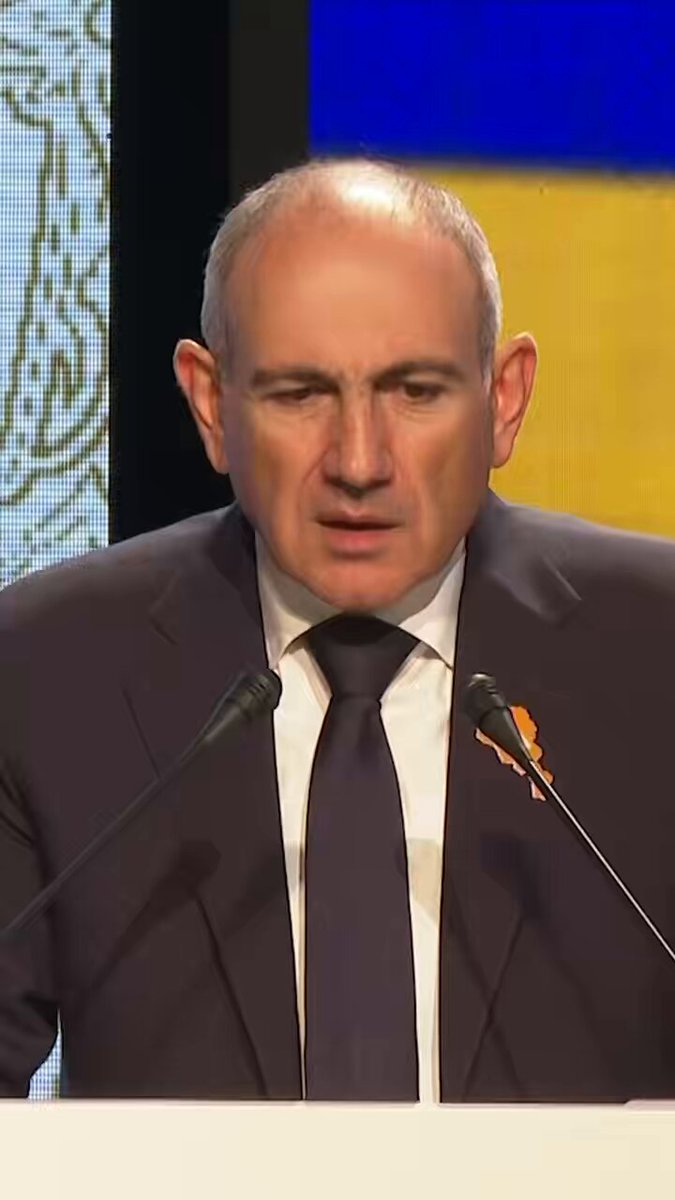

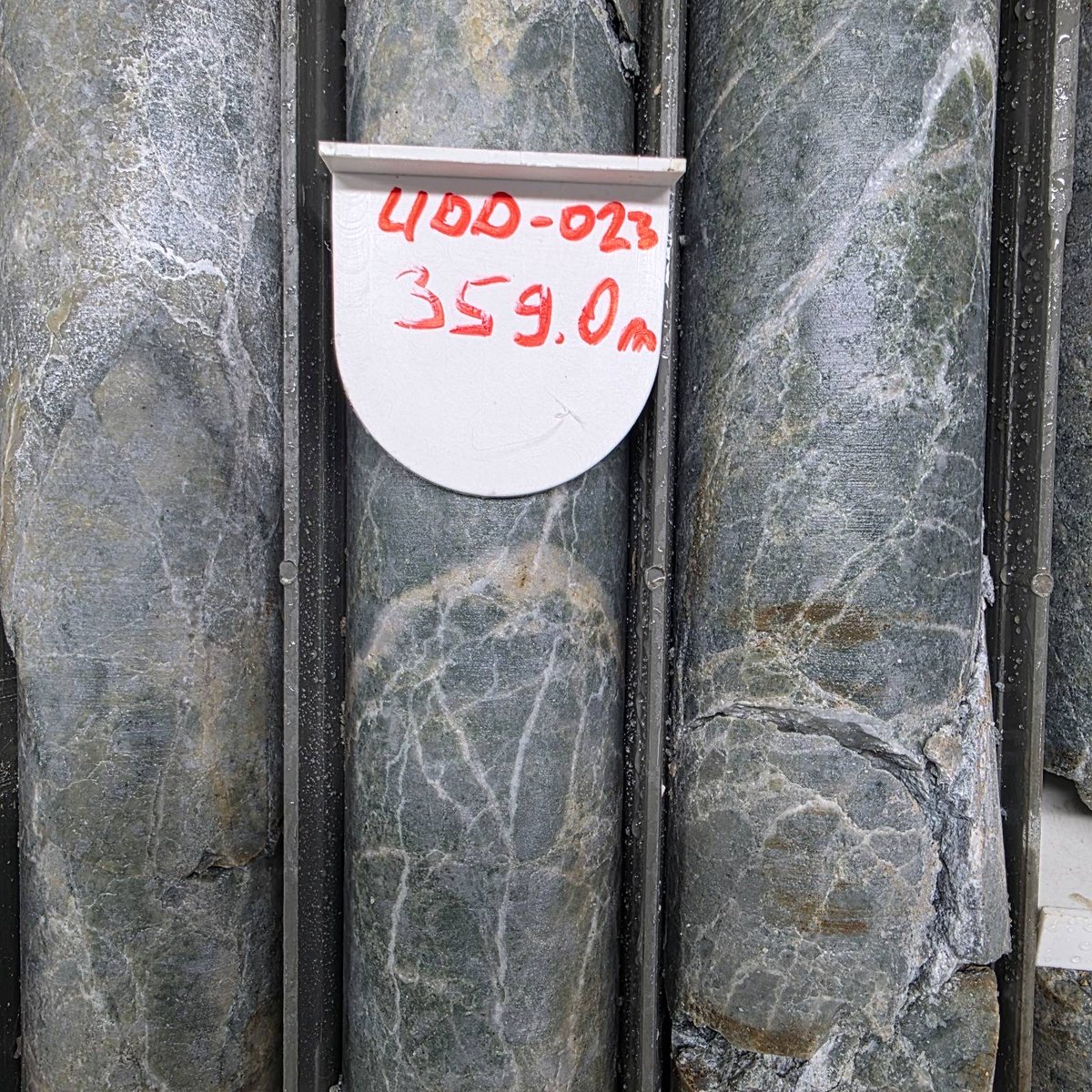
So the bottom of the hole UDD-023 is looking pretty good. Here are some pics from 350m to 375m. Tomorrow I will post up 375m to 400m and we ended up going a little past our goal of 400m.
The goal was to pierce an anomaly and we reckon it ended at around 400m, https://t.co/2TCFlXRONx
Nearing the end of a three weeker in CHF, GER, Armenia and Georgia. Am quite bullish on mining in Armenia and prospects of Hayasa Metals--will try to explain why in post 2/2 after updating you on what we have been up to with Euro https://t.co/B1QiCnrbMd
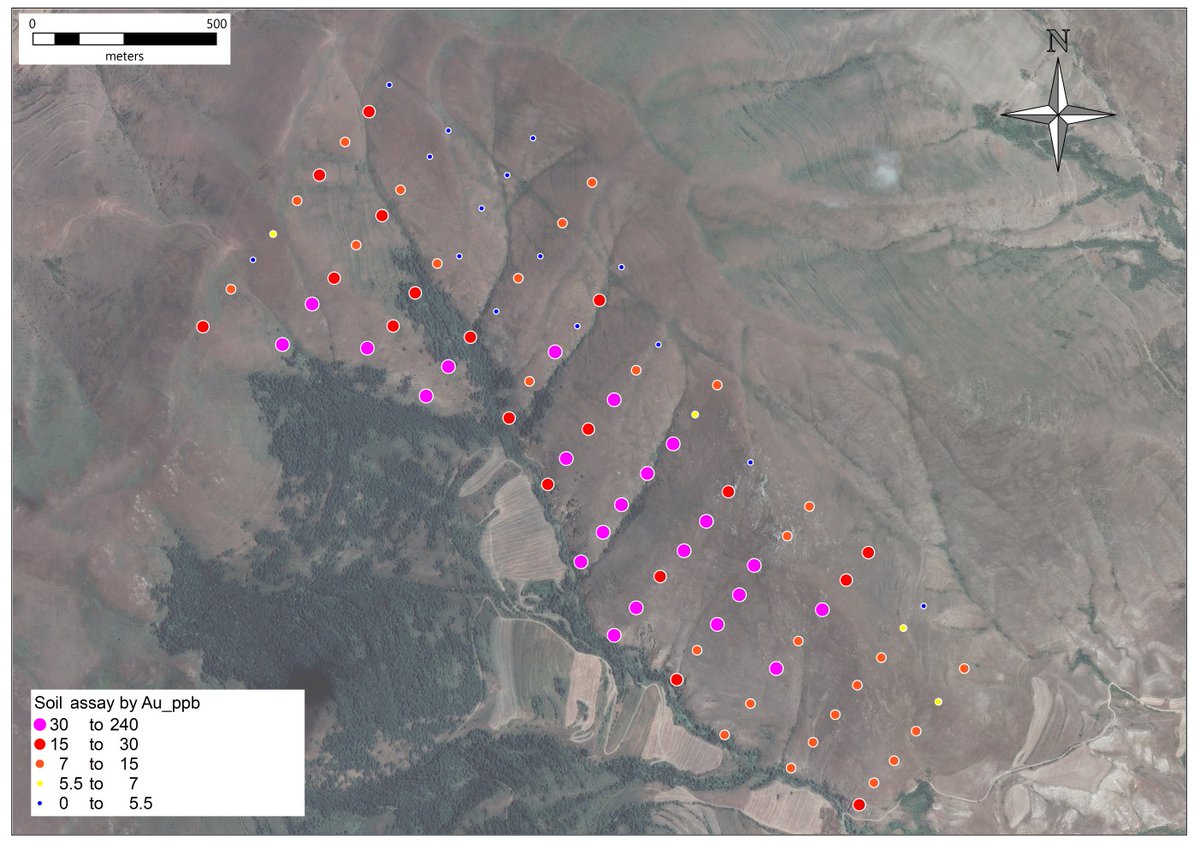
Prospect Update
Hayasa’s goal is to add three properties this year before the staking rush starts in 2027. This will put us in control of five individual mineral properties.
Staking ground in Armenia is time consuming and https://t.co/JdGve2NQNH
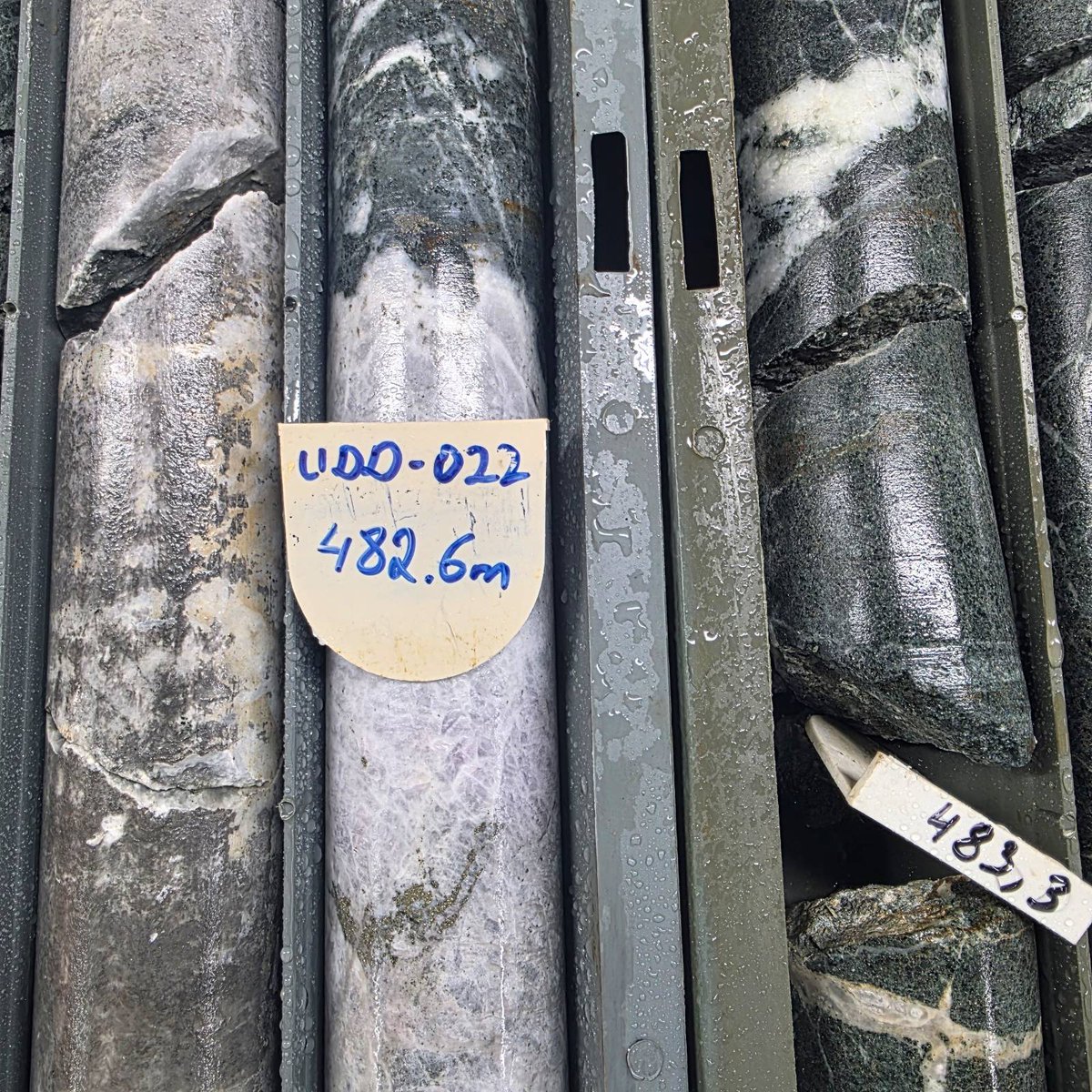
Select Core photos from UDD-022: 480m to 490m
The decision to extend the hole past 500m was based on observing intrusive diorite, locally brecciated, cut by abundant quartz–anhydrite veins and veinlets. Pyrite mineralization is https://t.co/TR0kjOPdeu
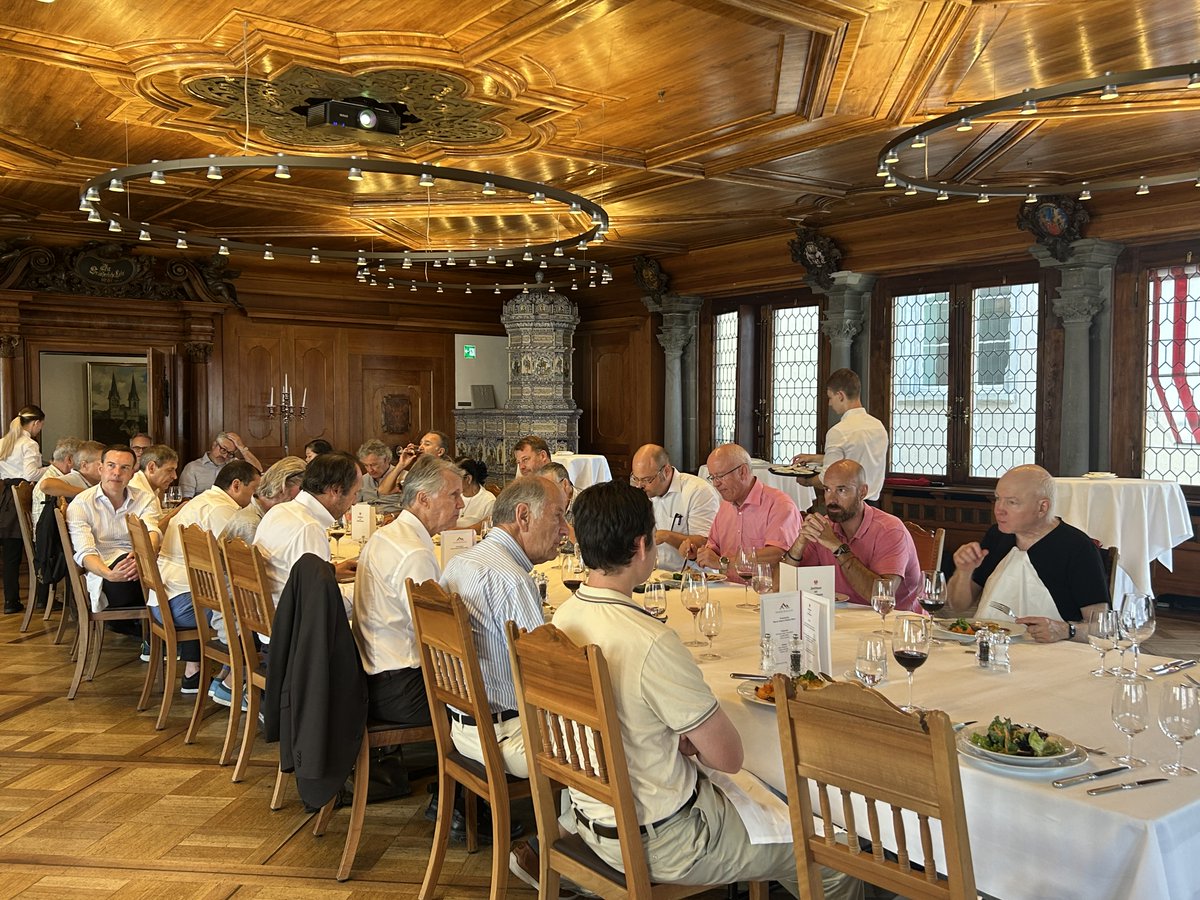
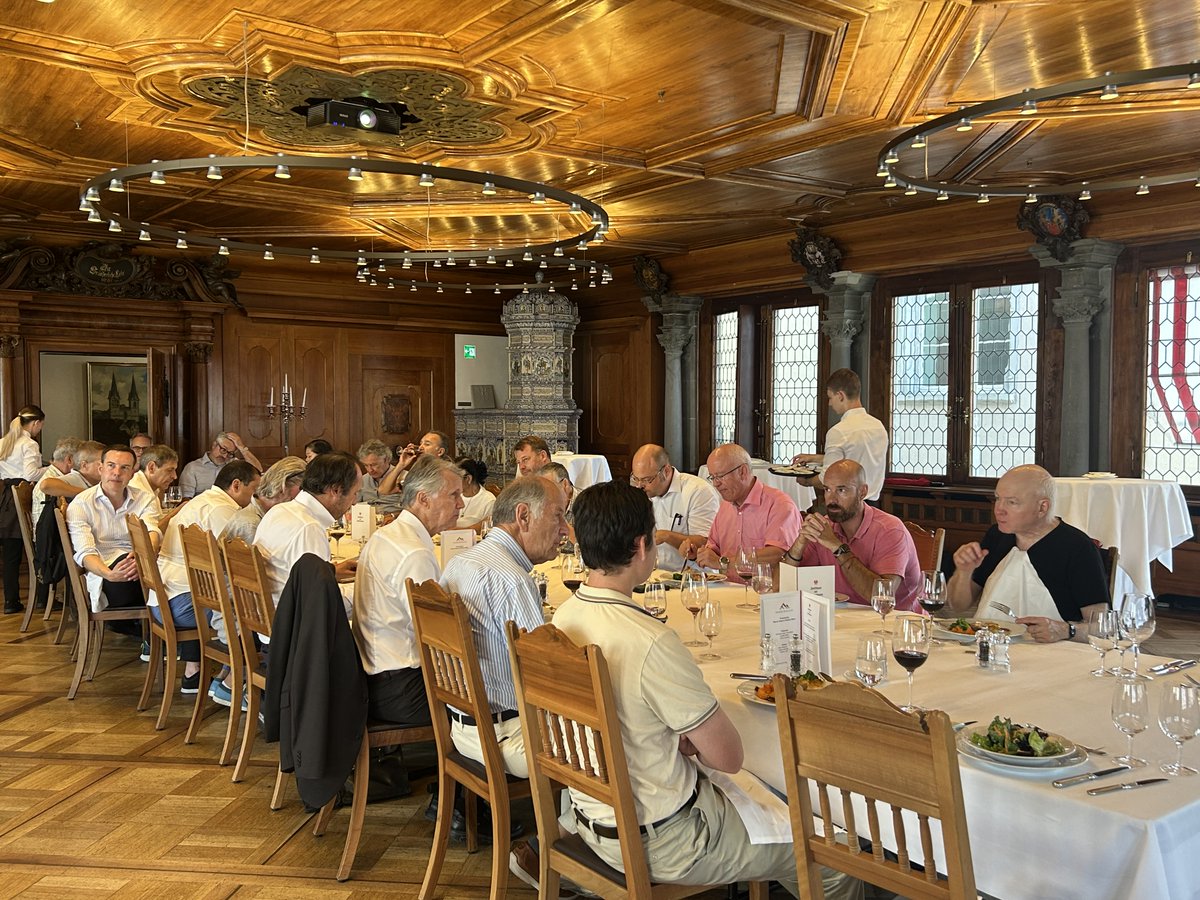
Kicking off a four day investor roadshow in Zurich (we fly on red eye to save hotel room $$)
Full room at the Zunfthaus zur Zimmerleuten. Many thanks to Marcus Moser and Wolfram Boehm for getting a great lunch crowd together. Many stayed longer and our https://t.co/w2k06bgs1Z
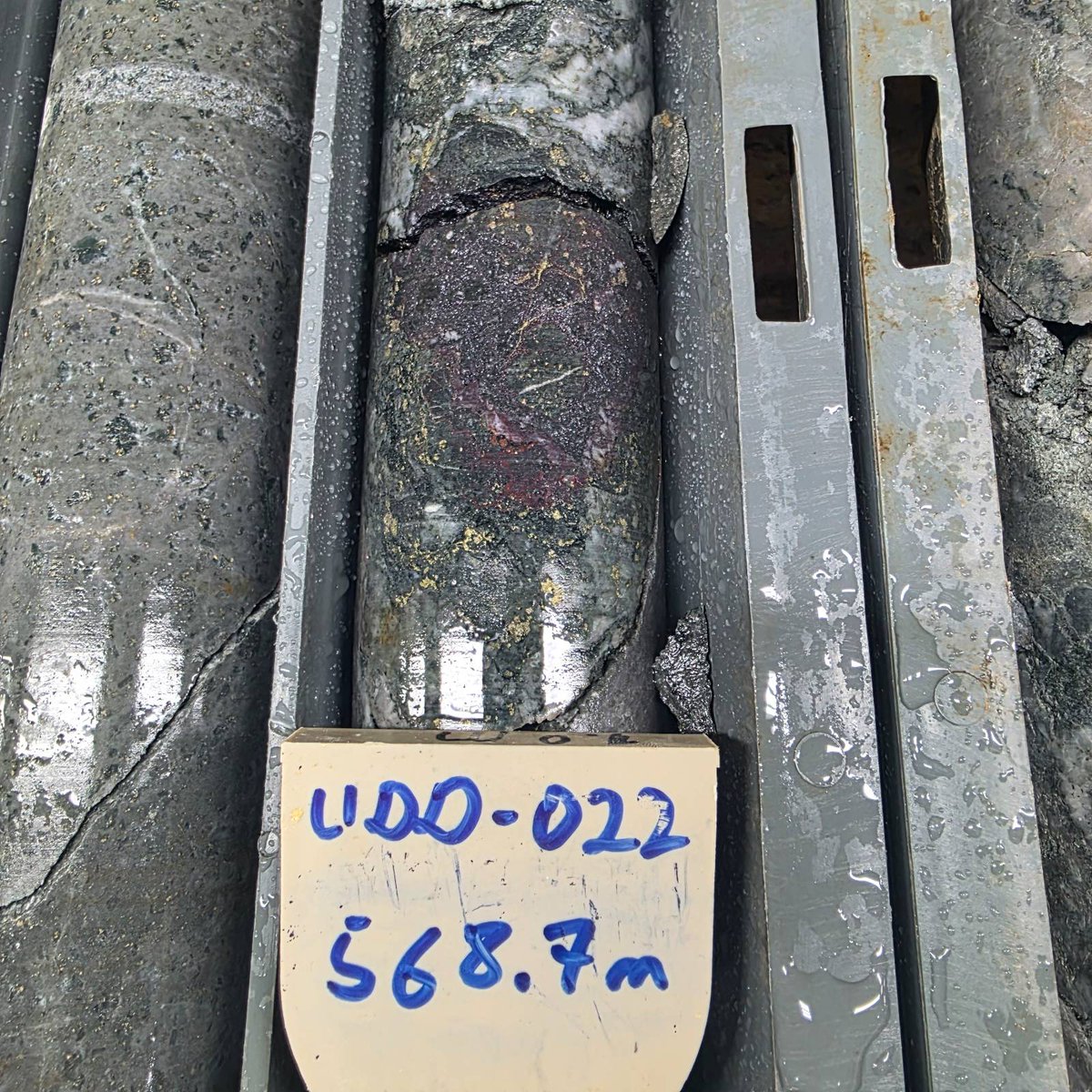
UDD-022 end of hole core pics
We had originally planned to get to at least 500m, to pierce the anomaly identified in the 2026 6 line AMT survey. We called the hole at 622m (there is only so deep you can go),
We saw intense veining on our way to the bottom and https://t.co/dfrEybZqeA

Important Resources
Including an At A Glance PDF, a document tailored to those who just want quick and summarized information.
A Highly Experienced Team Leads Hayasa Metals Inc.
Hayasa's directors and advisers bring experience spanning mineral discovery, porphyry and epithermal exploration in Armenia and Latin America, mining company law and governance, capital markets, and public company finance.
Complete the form below to receive Hayasa Metals news and investor updates as the company advances its exploration programs in Armenia.
Note: The company can only disclose information that is shared in the public domain through news releases, SEDAR+ filings and other public forums. As securities law and industry regulations require, such information will always be shared with all investors simultaneously.