
Phio Pharmaceuticals Corp.
NASDAQ: PHIO
Phio Pharmaceuticals Corp. (Nasdaq: PHIO) is a clinical-stage biopharmaceutical company developing cancer treatments using its proprietary INTASYL® technology, a patented form of siRNA (short interfering RNA) gene silencing that works by switching off specific genes that allow tumors to evade the immune system. Rather than attacking cancer cells directly, INTASYL reactivates the body's own T cells, a type of immune cell, so they can more effectively identify and kill tumors. Phio's lead program, PH-762, targets the PD-1 gene in skin cancer and completed the treatment phase of a Phase 1b clinical trial in January 2026, with 22 patients treated across five escalating dose cohorts. A second program, PH-894, targets the BRD4 gene across a broader range of cancers and has completed the studies required to file for FDA authorization to begin clinical testing. Phio holds 59 issued patents with protection extending to 2044 and carries no debt.
Live Data Powered By Our Partner

-
Click to view Company OverviewCompany Overview
-
Click to view The Skin Cancer OpportunityThe Skin Cancer Opportunity
-
Click to view How INTASYL Gene Silencing WorksHow INTASYL Gene Silencing Works
-
Click to view Program Selection and Competitive PositioningProgram Selection and Competitive Positioning
-
Click to view Phase 1b Clinical Trial Design and ResultsPhase 1b Clinical Trial Design and Results
-
Click to view The Intratumoral Delivery AdvantageThe Intratumoral Delivery Advantage
-
Click to view PH-894, the Broader Pipeline, and Intellectual PropertyPH-894, the Broader Pipeline, and Intellectual Property
-
Click to view Financial Position and Next StepsFinancial Position and Next Steps
-
Click to view Leadership TeamLeadership Team
-
Click to view Risks & DisclosuresRisks & Disclosures
Company Overview
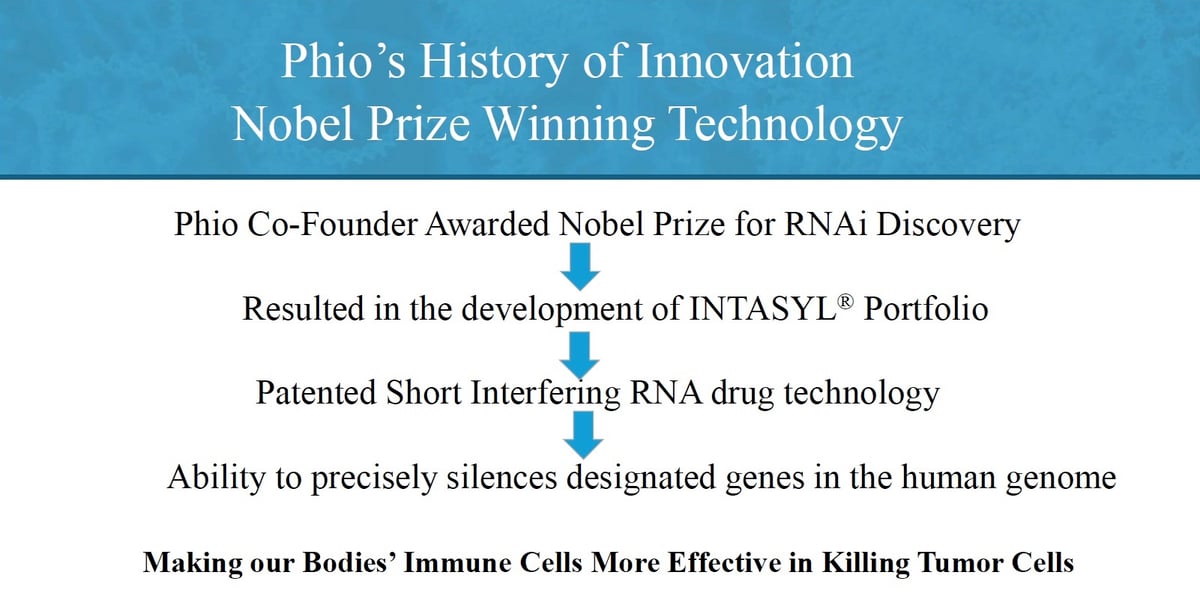
Phio Pharmaceuticals Corp. (NASDAQ: PHIO) is a clinical-stage biopharmaceutical company whose stated mission is to create new pathways toward a cancer-free future by enhancing the body's natural immune defenses. The company's proprietary INTASYL® technology is a patented siRNA (short interfering RNA) gene-silencing technology that switches off specific genes, preventing them from producing unwanted proteins.
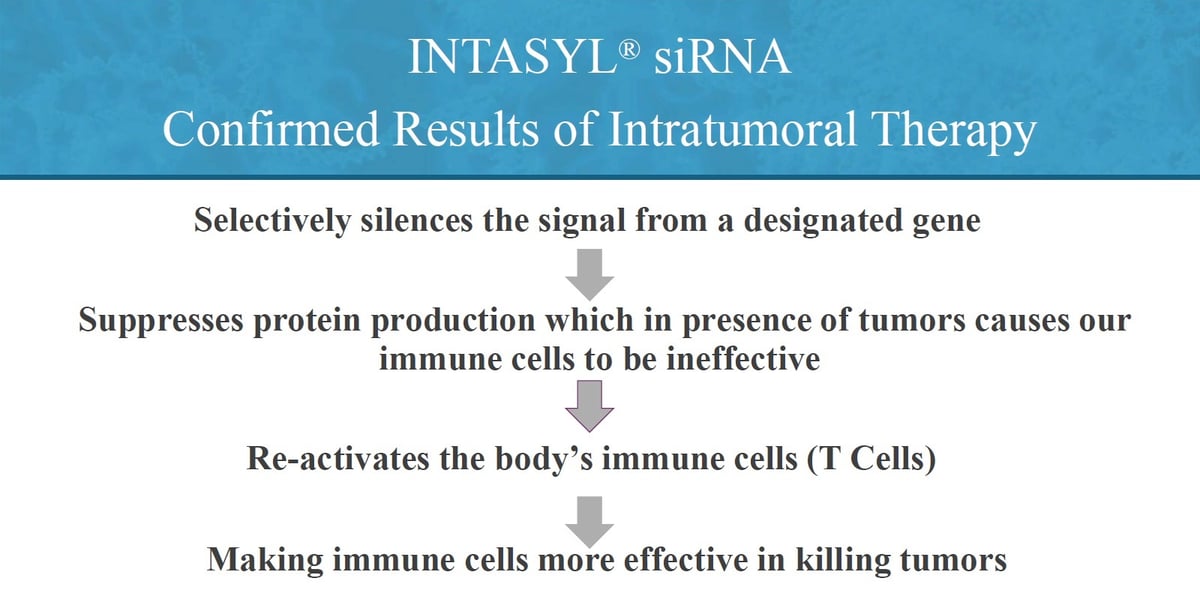
In cancer, certain genes produce proteins that suppress immune cell activity, allowing tumors to grow unchecked. INTASYL is designed to silence those genes, enabling T cells (immune cells that identify and destroy cancer cells) to resume their normal function.
One unique technical property of INTASYL is that it is self-delivering. Most siRNA-based therapies require complex delivery systems that entail lipid nanoparticles or viral vectors to transport the therapy into cells.
INTASYL enters cells and tissues through a natural biological process called endocytosis. It eliminates the need for formulation enhancements and, hence, potentially avoids toxicities associated with those enhancement vehicles. INTASYL is administered as a simple injection of sterile saline solution directly into the tumor, a procedure that can be performed in a physician's office.
 Source: Company Documents
Phio's lead program, PH-762, silences the PD-1 gene within T-cells by direct injection into the tumor. In the presence of skin cancer tumors, PD-1 causes T cells to become exhausted, where they no longer recognize and attack the tumor. This intratumoral approach eliminates the systemic infusion throughout the body that is required for monoclonal antibody therapies.
 Source: Company Documents
The Phase 1b clinical trial for PH-762 completed its treatment phase in January 2026. Twenty-two patients were treated across five escalating-dose cohorts with four intratumoral injections over a three-week time frame, followed by resection of any remaining lesion at week five. Results demonstrated noteworthy efficacy combined with a favorable safety profile. Among cSCC patients, 9 achieved complete pathological tumor clearance, 2 had greater than 90 percent clearance, and 2 had greater than 50 percent clearance. No patient experienced disease progression or dose-limiting toxicities at any level.
Phio's second development program, PH-894, targets the BRD4 gene, which plays a role in multiple cancer types including melanoma, head and neck squamous cell carcinoma, hepatocellular carcinoma, and prostate cancer. This compound is designed to both activate T cells and directly kill tumor cells. PH-894 has completed IND-enabling studies in preparation for IND submission.
In summary, a highly specialized and experienced management team, supported by 54 issued patents and an absence of debt, positions Phio to focus on advancing siRNA-based cancer therapies. The sections that follow examine the market Phio is addressing, the science behind its approach, and the clinical and financial progress to date.
The Skin Cancer Opportunity
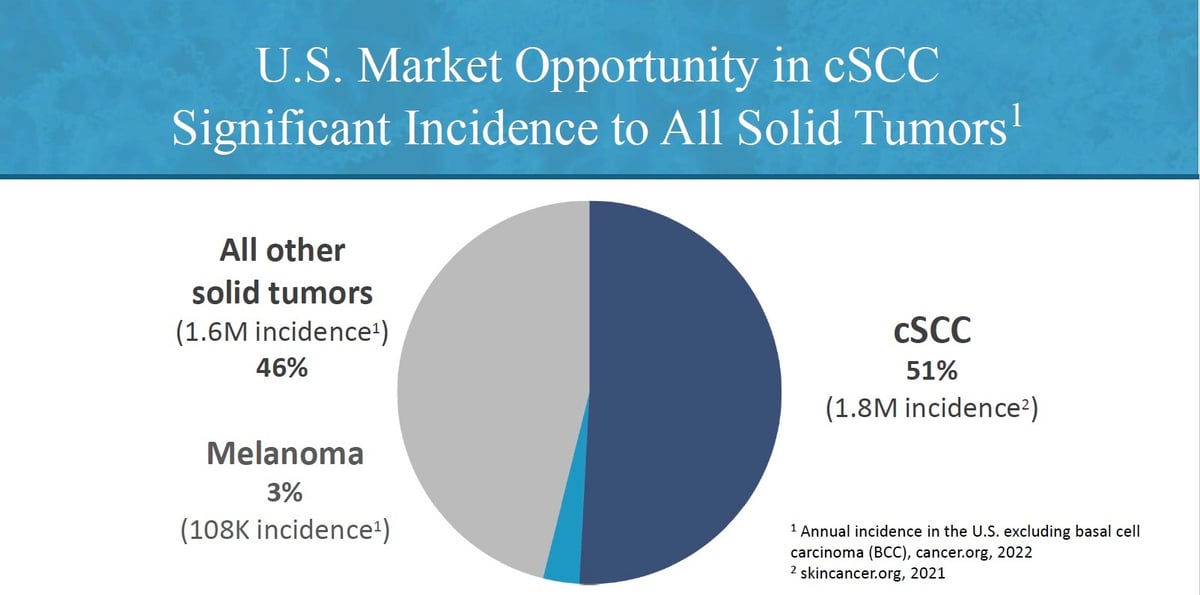
Cutaneous squamous cell carcinoma (cSCC) is the second most common solid tumor in the U.S., with about 1.8 million new cases diagnosed annually, second only to basal cell carcinoma. The incidence of cSCC will continue to climb as an aging population accumulates cumulative UV exposure over time.
 Source: Company Documents
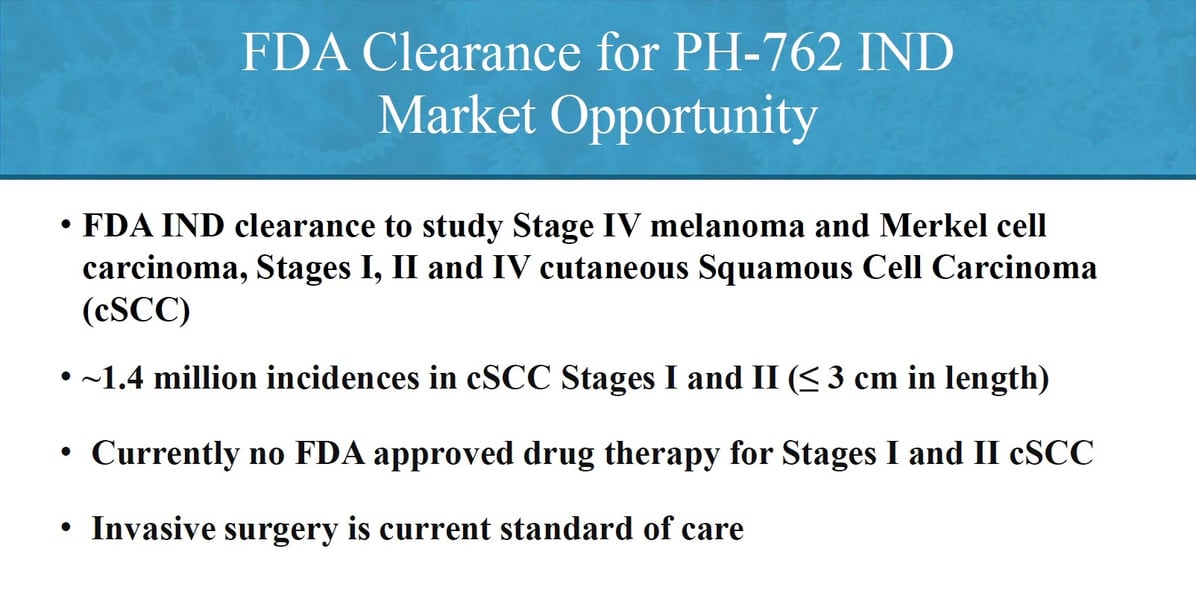
Approximately 1.4 million cases — greater than 70 percent of all cSCC diagnoses — are considered Stages I and II. For these patients, no FDA-approved drug therapy currently exists. The standard of care is surgical intervention, often Mohs micrographic surgery, where tissue is removed layer by layer and examined under a microscope until the surrounding surgical margins are clear.
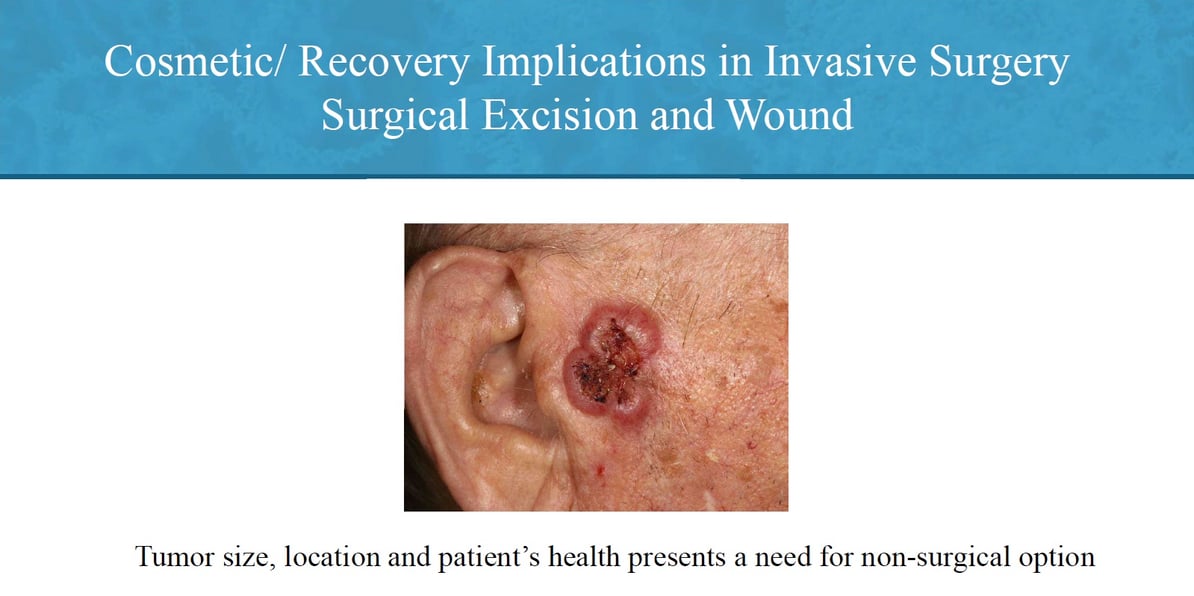
While Mohs surgery can be effective, it presents challenges depending on the tumor's size, location, and the patient's overall health. Lesions on the face, ears, legs, or hands raise cosmetic and functional concerns. Some patients, depending on the lesion, may require more than one procedure in addition to reconstructive plastic surgery. There is an unmet medical need for patients with cutaneous carcinoma and complicating medical conditions who may not be good candidates for surgical intervention.
 Source: Company Documents
Without treatment, Stage I and II cSCC can lead to disfigurement, metastasis, and death, with annual deaths from cSCC nearly double those from melanoma. Pharmaceutical development targeting early-stage cSCC has been limited, with surgical intervention remaining the standard of care.
When Phio submitted its Investigational New Drug (IND) application to the FDA in the second quarter of 2023, the agency cleared Phio's request to study late-stage melanoma, Merkel cell carcinoma, and cSCC indications, as well as early-stage cSCC including lesion sizes up to 3 centimeters in length. The company estimates the addressable market for cutaneous carcinomas at approximately $20 billion.
PH-762 is positioned as a potential non-surgical alternative for patients who are poor surgical candidates, whether due to tumor location, age, or complicating health conditions.
How INTASYL Gene Silencing Works
Most cancer immunotherapies today use monoclonal antibodies, which are biologics delivered by intravenous infusion to block PD-1 or PD-L1 on tumor cells. Monoclonals circulate throughout the entire body and can produce serious adverse events (SAEs) of an autoimmune nature affecting the cardiovascular, gastrointestinal, dermatological, and respiratory systems. They are typically administered at infusion centers, with repeated administration as necessary.
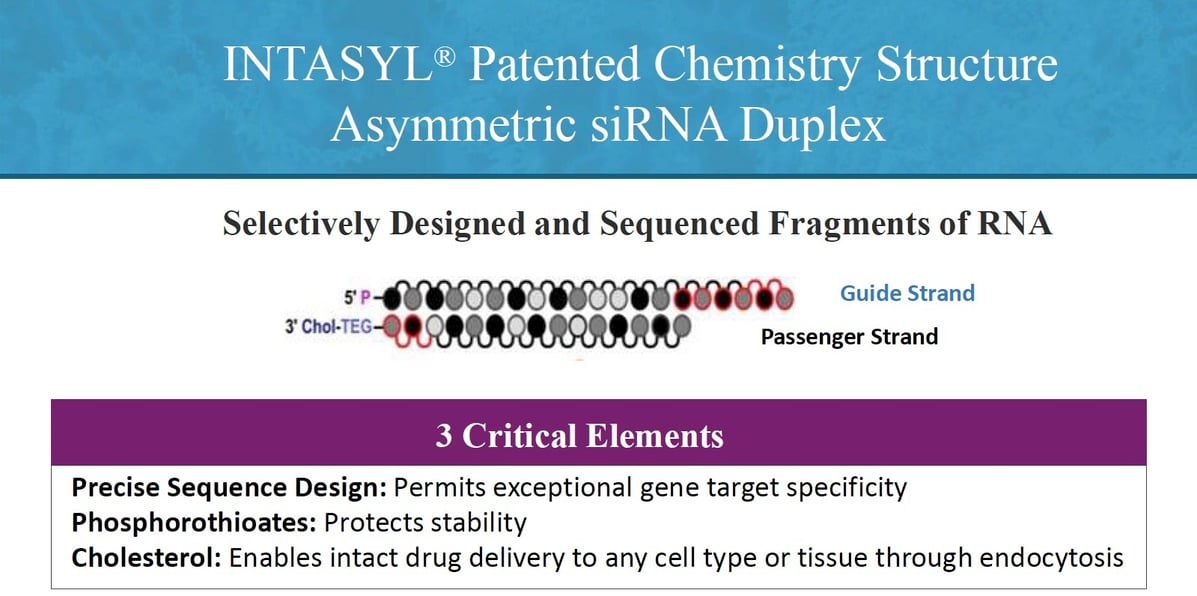
In contrast, INTASYL is a short interfering RNA (siRNA) synthetic drug compound that binds to and silences a specific messenger RNA sequence that instructs the production of the PD-1 protein. By silencing the instruction to produce PD-1 in the presence of tumors, T cells reactivate and resume recognizing and attacking tumor cells. INTASYL can be conveniently administered by a physician in their office by direct injection into the tumor.
 Source: Company Documents
The INTASYL molecule has three important engineered components that enable it to function without the complex delivery enhancements required by other siRNA-based therapies. First, precise nucleotide sequence design allows the molecule to selectively target the desired gene, minimizing the risk of unintended off-target effects on other genes. Second, a cholesterol component enables the INTASYL molecule to cross the body's cell membranes intact in a sterile saline solution, eliminating the need for a formulation delivery enhancer such as lipid nanoparticles or viral vectors — the transfer occurs via endocytosis, which is why INTASYL is described as self-delivering. Third, a phosphorothioate component stabilizes the INTASYL molecule from degradation in the body while enhancing its ability to bind to the T cell surface.
Program Selection and Competitive Positioning
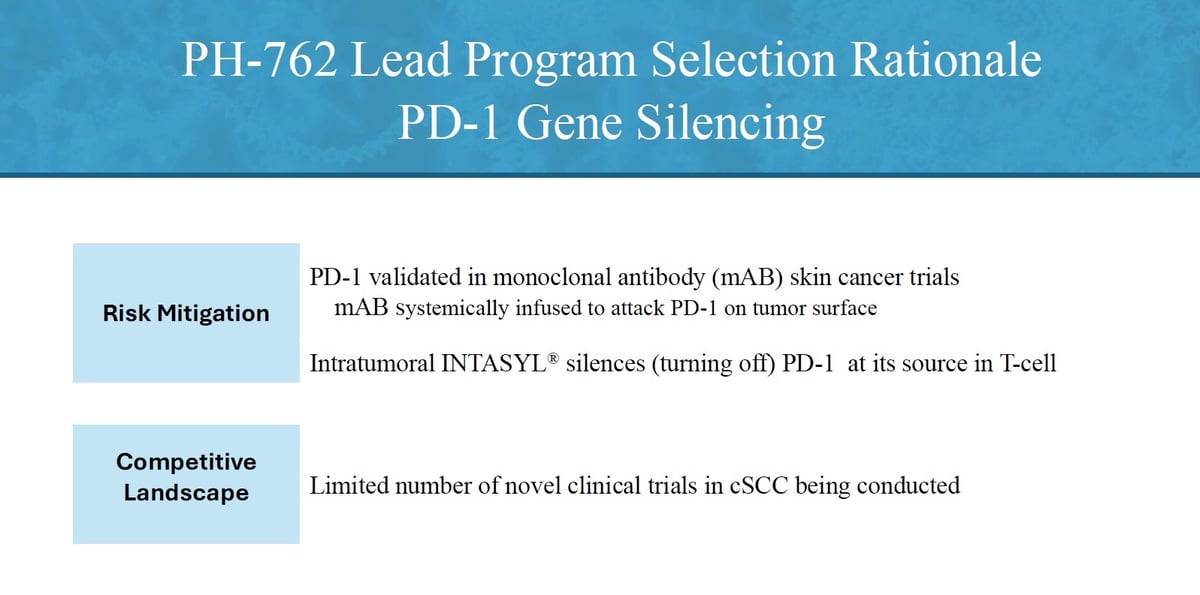
Current management and leadership was introduced approximately three years ago with the objective of implementing a focused drug development strategy. Phio's prior history centered on discovery research, which was successful at confirming the silencing of more than 30 gene compounds. The new objective was to select one or possibly two compounds that could be safely studied in humans, having medical relevance and the potential for an attractive return on investment. PH-762, targeting the PD-1 gene in the treatment of skin cancers, was selected as the primary program based on scientific risk, market size, and competitive landscape.
 Source: Company Documents
PD-1 was the risk mitigation choice because it had already been validated as being implicated in skin cancer by large pharmaceutical companies through their monoclonal antibodies. These monoclonal biologics are FDA-approved as systemically infused agents generating significant revenues targeting advanced and metastatic skin cancers on the surface of the tumor cell. Phio's approach is different, however, because it silences PD-1 at its source in the T cell through intratumoral injection. PH-762 shuts down the production of PD-1 at its source, essentially inhibiting its migration to the surface of the tumor.
The market opportunity for early-stage cSCC has been estimated at approximately 1.4 million incidents annually, for which no drug product has been approved by the FDA. With regard to the competitive landscape, there are relatively fewer novel clinical programs focused on this indication.
 Source: Company Documents
Phase 1b Clinical Trial Design and Results
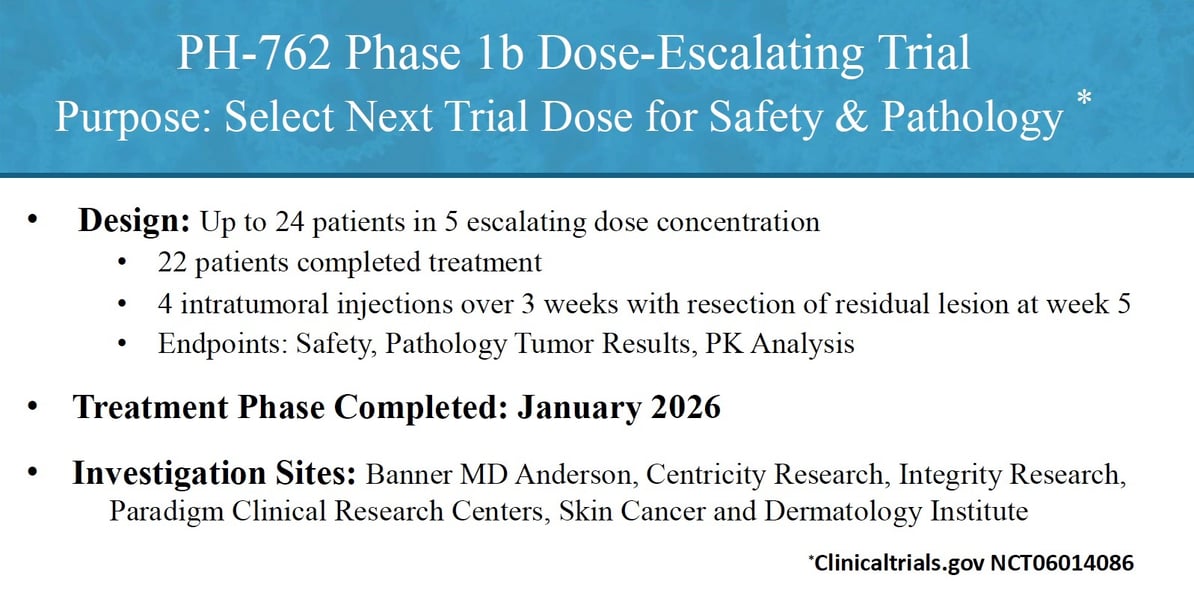
The Phase 1b dose escalation study (NCT06014086) was designed primarily to determine safety and an appropriate dose for a next-stage clinical trial, assessing safety through various dose escalations relative to corresponding tumor pathology responses. The trial enrolled 22 patients across five escalating-dose cohorts, primarily patients with cutaneous squamous cell carcinoma, along with one melanoma patient and one Merkel cell carcinoma patient. Patients received four intratumoral injections over three weeks, followed by surgical resection of the residual lesion at week five for pathological analysis. Trial sites included Banner MD Anderson, Centricity Research, Integrity Research, Paradigm Clinical Research Centers, and the Skin Cancer and Dermatology Institute.
 Source: Company Documents
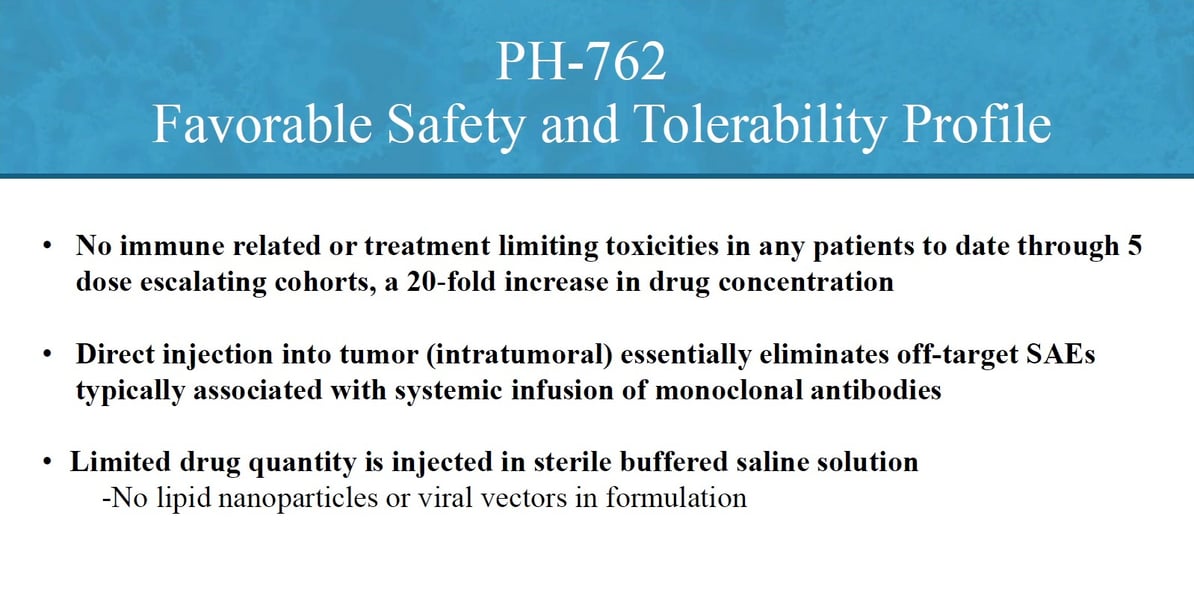
Safety data showed no serious adverse events, immune-related events, or dose-limiting toxicities across all five cohorts. Drug concentration was increased 20-fold from the lowest to the highest dose. Because PH-762 is injected directly into the tumor, it essentially eliminates the potential for off-target side effects. Monoclonal antibody therapies, in contrast, are systemically infused throughout the body and frequently generate serious adverse effects in the form of autoimmune-related events. Moreover, PH-762 contains no formulation delivery enhancements such as lipid nanoparticles or viral vectors, another potential source of toxicities common to other injected therapies. PH-762 is transported in sterile buffered saline solution precisely to its intended target through endocytosis — the mechanism of action that earned INTASYL the description of "self-delivering."
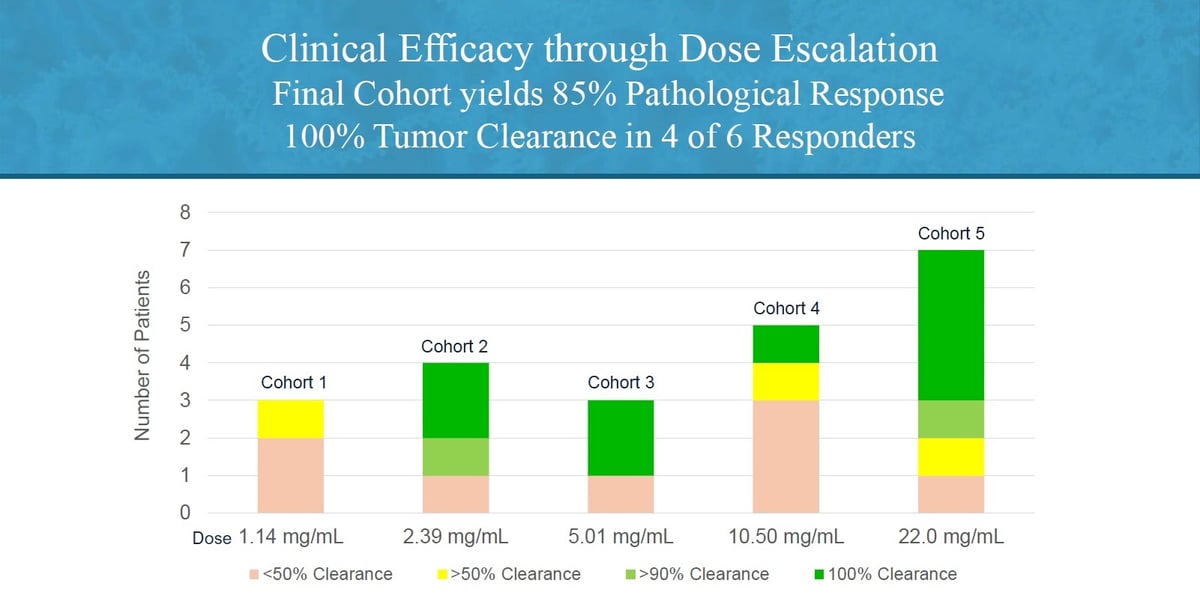
The efficacy data, as measured by pathological response, was remarkable. Among the 20 cSCC patients evaluated at week five, 9 achieved 100 percent pathological tumor clearance, 2 achieved greater than 90 percent clearance, and 2 achieved greater than 50 percent clearance, representing an overall response rate of 65 percent across all cohorts. In the fifth cohort, which had the highest dose concentration, the overall response rate was 85 percent, with 4 of 6 responders achieving 100 percent clearance. Seven patients across all cohorts had less than a 50 percent response and were classified as non-responders; however, no patient in the study experienced disease progression through the end of the study.
The trial also included one metastatic Merkel cell carcinoma patient who achieved greater than 50 percent clearance, and one metastatic melanoma patient who was a non-responder in the first cohort.
 Source: Company Documents
The observed dose-response patterns across the escalating cohorts, in conjunction with a consistent safety profile, suggest a rationale for selecting the highest dose concentration for the proposed registration trial.
 Source: Company Documents
The Intratumoral Delivery Advantage
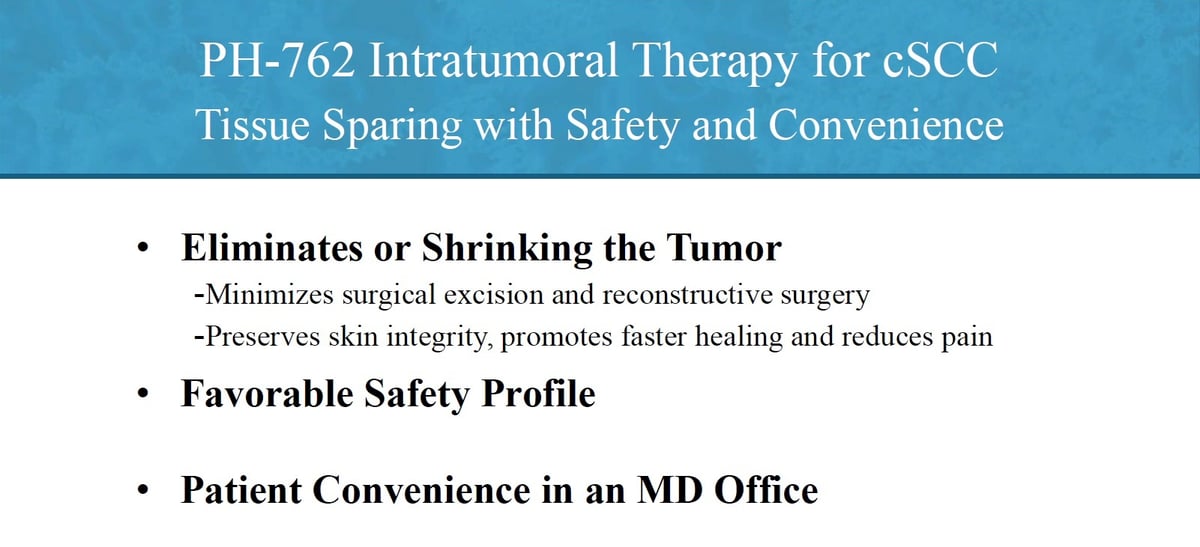
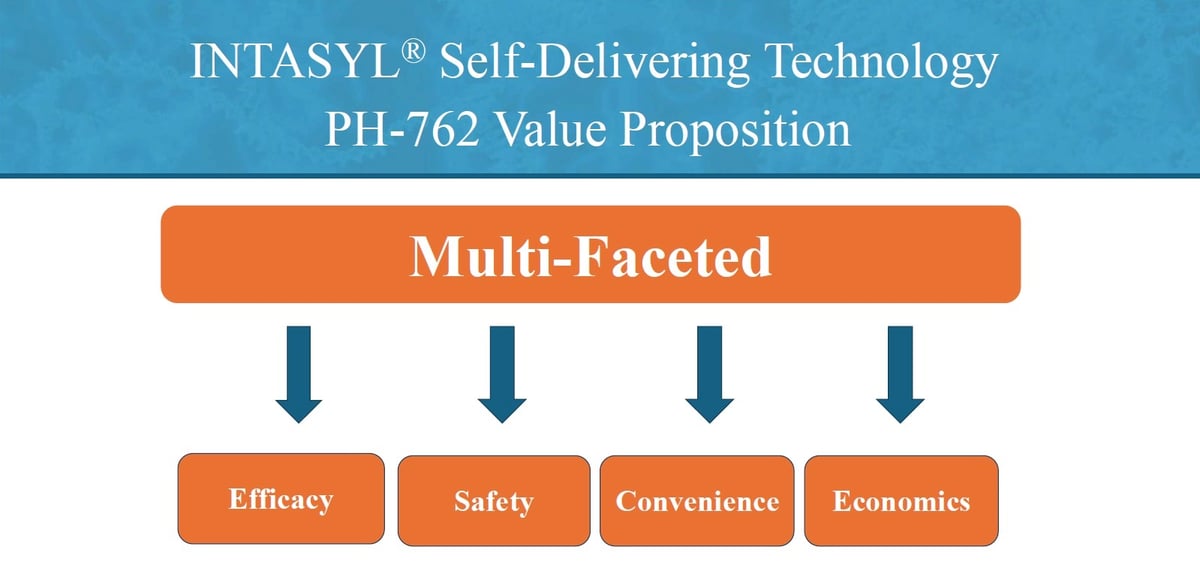
PH-762 is administered through direct injection into the tumor, referred to as intratumoral administration. In addition to reducing off-target side effects, this mode of delivery offers meaningful convenience advantages. It can be given in the physician's office, unlike monoclonal therapies, which require the logistics of coordinating with an infusion center. Dosing quantity can also be adjusted to accommodate variation in lesion sizes among patients.
There are also economic advantages for the physician. The physician receives a fee for the injection procedure, which enhances practice economics. The cost of goods is driven by basic solid-phase chemistry, and both the drug substance and drug product are U.S.-sourced, reducing the risk of adverse tariff consequences.
 Source: Company Documents
 Source: Company Documents
In summary, PH-762 could be positioned as a viable treatment alternative to surgical intervention for early-stage cSCC. Its favorable safety profile, combined with the convenience of office-based administration for both patient and physician, is further enhanced by a favorable cost structure and a fee-generating procedure for the medical professional.
PH-894, the Broader Pipeline, and Intellectual Property
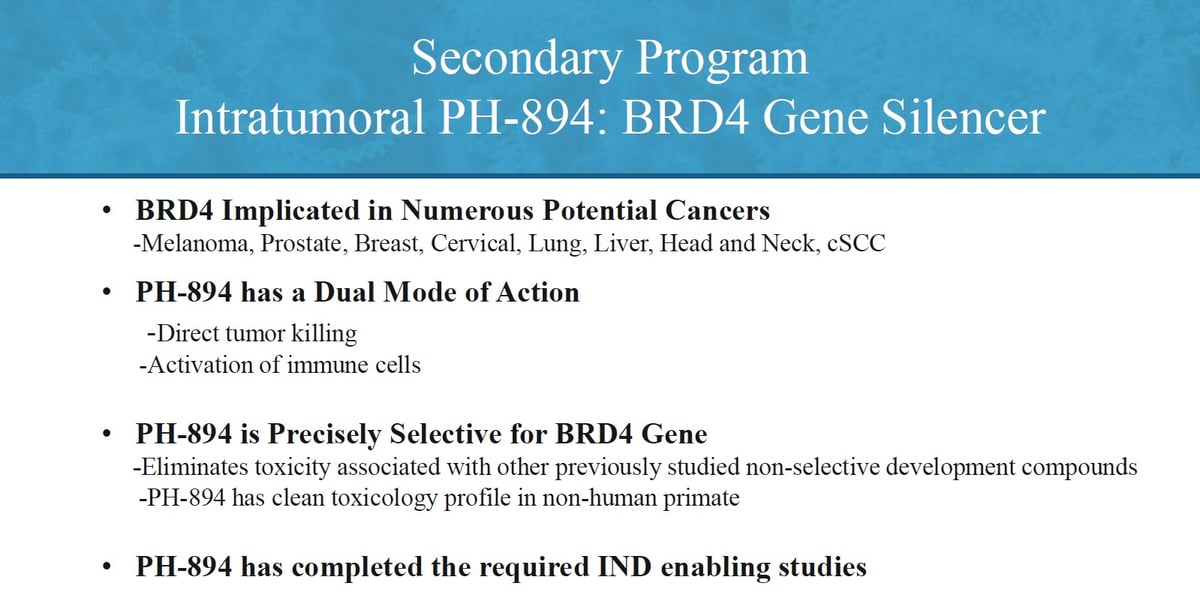
While PH-762 remains the primary focus, Phio's secondary program, PH-894, targets the BRD4 gene. BRD4 is implicated in multiple cancer types, including Stage IV melanoma, head and neck squamous cell carcinoma (HNSCC), hepatocellular carcinoma (liver cancer), HPV-related squamous cell carcinomas, triple-negative breast cancer, cervical cancer, and prostate cancer. PH-894 has completed IND-enabling studies, meaning it has undergone the preclinical testing and safety evaluations required for Phio to submit an IND to the FDA for clearance to begin human trials. The compound demonstrated a clean toxicology profile in non-human primates. PH-894 has a dual mode of action in that it both directly kills tumor cells and activates T cells to attack the tumor. PH-894 is also specifically selective to the BRD4 protein.
 Source: Company Documents
In addition to its two lead programs, Phio has a portfolio of INTASYL silencing compounds that could target more than 25 different genes impacting oncology, autoimmune conditions, hypertrophic scarring, and cosmetic applications such as pigmentation and wrinkles. These compounds present potential licensing opportunities with pharmaceutical and biotechnology partners. The company's strategy is to retain full control and economic interest in its two lead programs in the U.S. market while monetizing non-strategic compounds and geographies through licensing agreements. The company is also open to potential applications in adoptive cell therapy and combination therapy with existing monoclonal antibodies, which could expand the clinical utility of the INTASYL platform beyond its current oncology focus.
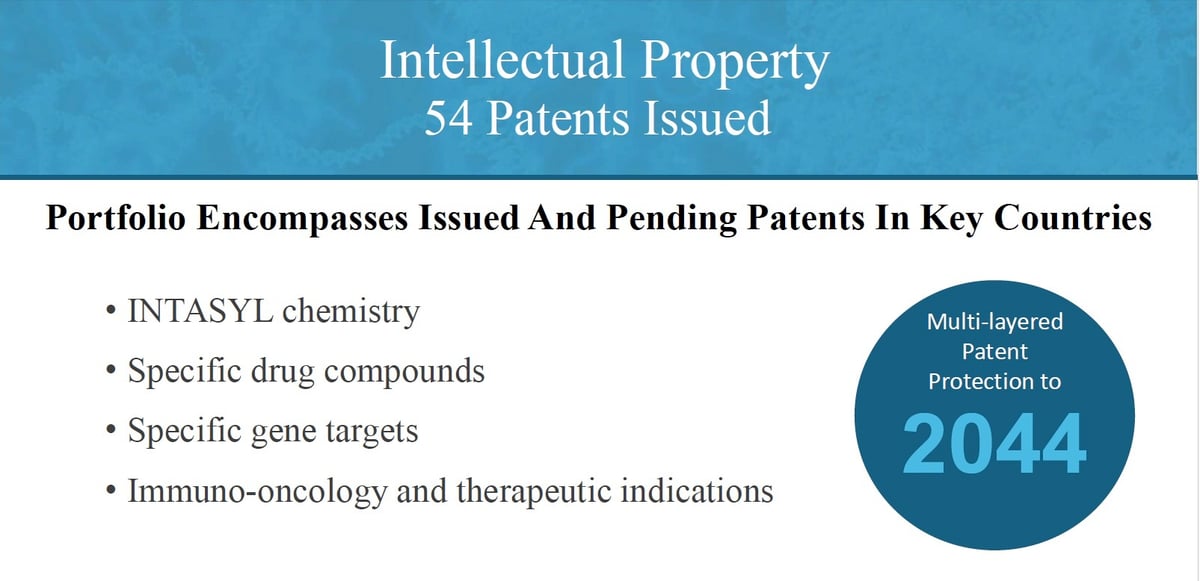
Phio's intellectual property portfolio includes 54 issued patents and additional pending applications, with multi-layered protection extending through 2044. The portfolio covers four categories: INTASYL chemistry (the underlying technology platform), specific drug compounds (individual molecules like PH-762 and PH-894), specific gene targets (the genes each compound is designed to silence), and therapeutic indications (the diseases each compound is intended to treat). This layered approach means that even if a single patent were challenged, protection for the same compound would remain through patents in other categories. The portfolio spans the United States and other key countries, covering both current clinical programs and the broader library of compounds available for licensing.
 Source: Company Documents
Financial Position and Next Steps
Phio is a clinical-stage company that has not yet generated product revenue. Like most companies at this stage of pharmaceutical development, Phio funds its operations through capital raises in the public markets. During 2024 and 2025, Phio completed a series of registered direct offerings and warrant exercises that raised approximately $22.2 million in gross proceeds, providing capital to fund the Phase 1b PH-762 trial and ongoing operations.
As of December 31, 2025, Phio reported cash of approximately $21 million, up from $5.4 million at the end of 2024, reflecting additional capital raised during the period. This funding extends the cash runway into the second quarter of 2027. Phio carries no debt, which means all cash is available for operations and development without debt service obligations.
Phio operates with a lean administrative cost structure. General and administrative expenses for fiscal year 2025 were $4.6 million. Research and development expenses for the twelve months ended December 31, 2025, were also $4.6 million, reflecting the costs of conducting the Phase 1b trial. The company recently completed a drug substance development services agreement with a U.S. manufacturing company for analytical and process development, to provide cGMP clinical supply and registration material for the next stage of PH-762 development.
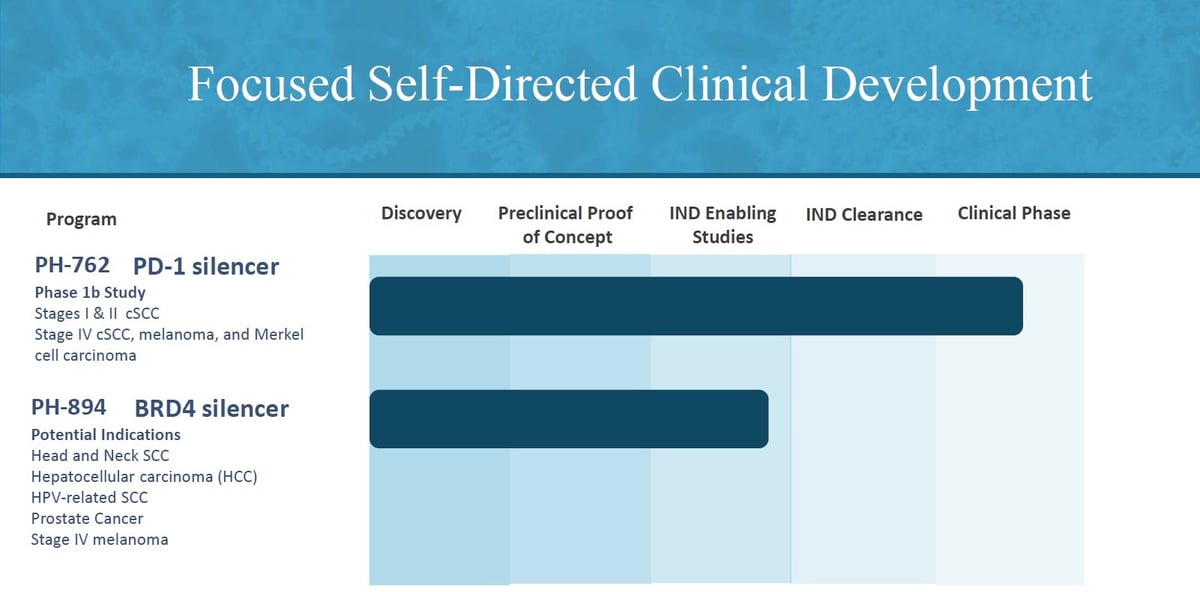
The company is currently compiling and summarizing the Phase 1b data to present to the FDA by the end of the second quarter of 2026, with the goal of obtaining guidance on the design of a pivotal Phase 2b/3 trial. FDA clearance to conduct a Phase 2b/3 adaptive pivotal trial would potentially represent the final stage of clinical requirements for potential drug approval.
 Source: Company Documents
Leadership Team
Robert Bitterman serves as Chairman, President and Chief Executive Officer. Mr. Bitterman has spent more than four decades in the pharmaceutical industry, holding roles spanning finance, marketing, business development, and investor relations at both large and small pharmaceutical companies, mostly in the dermatological therapeutic space. He served on Phio's Board of Directors as Chairman from 2012 in a passive governance role before he was asked to take responsibility as CEO approximately three years ago. His approach from the outset has centered on assembling a management team with direct drug development experience in the dermatological space and selecting the highest-value program from the company's portfolio.
Lisa Carson serves as Chief Financial Officer. Carson joined Phio in May 2025 and was promoted to CFO in February 2026. She has more than 20 years of leadership experience in finance and accounting. Prior to Phio, she served as Vice President, Finance and Controller at Prelude Therapeutics, where she supported the company's IPO and subsequent expansion. She previously held finance leadership roles at TELA Bio and PhaseBio Pharmaceuticals. Carson oversees financial operations, capital planning, and financial reporting.
Jennifer Phillips, Pharm.D., serves as Senior Vice President, Regulatory and Corporate Affairs. Phillips joined Phio in February 2023 and was promoted to her current role in February 2026. She has more than 25 years of regulatory affairs experience at large and small companies, including senior roles at Solvay, Wyeth, Aventis Pharma, URL Mutual Pharma, and Cutanea Life Sciences. Phillips leads regulatory strategy and agency engagement as Phio prepares for upcoming interactions with the FDA on PH-762.
Kimberly Man serves as Vice President of Program Development and Strategic Planning. Man joined Phio in early 2026 and leads day-to-day program coordination for PH-762 while supporting longer-term development work on PH-894. She has over 20 years of experience in program and portfolio leadership, product development, and clinical and regulatory operations, including roles at Sandoz, URL Mutual Pharma, and Cutanea Life Sciences.
The company operates with eight full-time employees and four part-time contracted subject matter experts covering areas such as CMC supply chain, toxicology, analytical chemistry, and medical safety. The entire development team comprises individuals who have worked together previously, with a track record that includes multiple NDA approvals and new product launches. A virtual, lean infrastructure keeps overhead low while providing the specialized capabilities needed to design and execute clinical trials, manage regulatory interactions, and prepare for the next phase of development.
The recent additions of Carson and Man, along with the promotion of Phillips, reflect a deliberate effort to strengthen the team ahead of the pivotal trial stage, adding financial, regulatory, and program management capabilities that will be called upon as PH-762 advances toward later-stage testing and potential commercialization.
Risks & Disclosures
This communication is neither an offer to sell nor a solicitation of an offer to buy, nor a recommendation of any securities of the company mentioned herein.
Phio Pharmaceuticals Corp. (the "Company") and its counsel have reviewed the content of this page as well as the accompanying presentation ("Company Presentation") displayed on this page. To the best of its knowledge, the Company does not believe this content to be misleading or inaccurate in any material respect, nor does it believe there are any material omissions with respect to such content. The Company does not believe the contents of the page or the Company Presentation to contain any non-public material information.
Information and opinions presented in the Company Presentation are provided by the Company, and B2i Digital makes no representation as to their accuracy or completeness. The information contained on this page is not intended to constitute any form of advice, and the information provided is not intended to provide a sufficient basis on which to make an investment decision. It is not investment research, nor does it constitute a research recommendation, as it does not constitute substantive research or analysis. This information is not to be relied upon in substitution for the exercise of independent judgment.
Information, opinions and estimates contained on this page or in the Company Presentation reflect judgments by the Company as of the original date of publication by the Company and are subject to change without notice. Past performance should not be taken as an indication or guarantee of future performance, and no representation or warranty, express or implied, is made regarding future performance.
A complete description of the risks and uncertainties relating to the Company and its securities can be found in the company's filings with the U.S. Securities and Exchange Commission available for free at www.sec.gov.
Information on this page may relate to penny stocks, which may also be referred to as low-priced stocks. Penny stocks are low-priced shares typically issued by small companies. Penny stocks involve greater than normal risk, they may be less liquid than other stocks (i.e., more difficult to sell), and there may be less reliable information available regarding such stocks. Investors in penny stocks should be prepared for the possibility that they may lose their entire investment.
B2i Digital or its related entities may own securities of the Company. To comply with Rule 17(b) of the Securities Act of 1933, as amended, B2i Digital must provide full disclosure of all compensation received for investor awareness services provided by the Company.
The Company is a client of B2i Digital. The Company agreed to pay B2i Digital no greater than $100,000 in cash for 12 months of digital marketing consulting and investor awareness services.
The registration link for Phio’s presentation on Thursday, January 22 at 1:45 PM ET can be accessed here https://lnkd.in/eitjE4hQ
Mr. Robert Bitterman, CEO and Chairman of the Board, Phio Pharmaceuticals will present an update on the company’s proprietary INTASYL siRNA technology and progress on the on-going clinical trial with lead compound PH-762 for treatment of skin cancers.
These INTASYL compounds are designed to enhance the body's immune cells to more effectively kill cancer cells. The lead clinical study (NCT# 06014086) is evaluating an INTASYL compound, PH-762, that silences the PD-1 gene implicated in various forms of skin cancer and is a potential non-surgical treatment for skin cancers.